
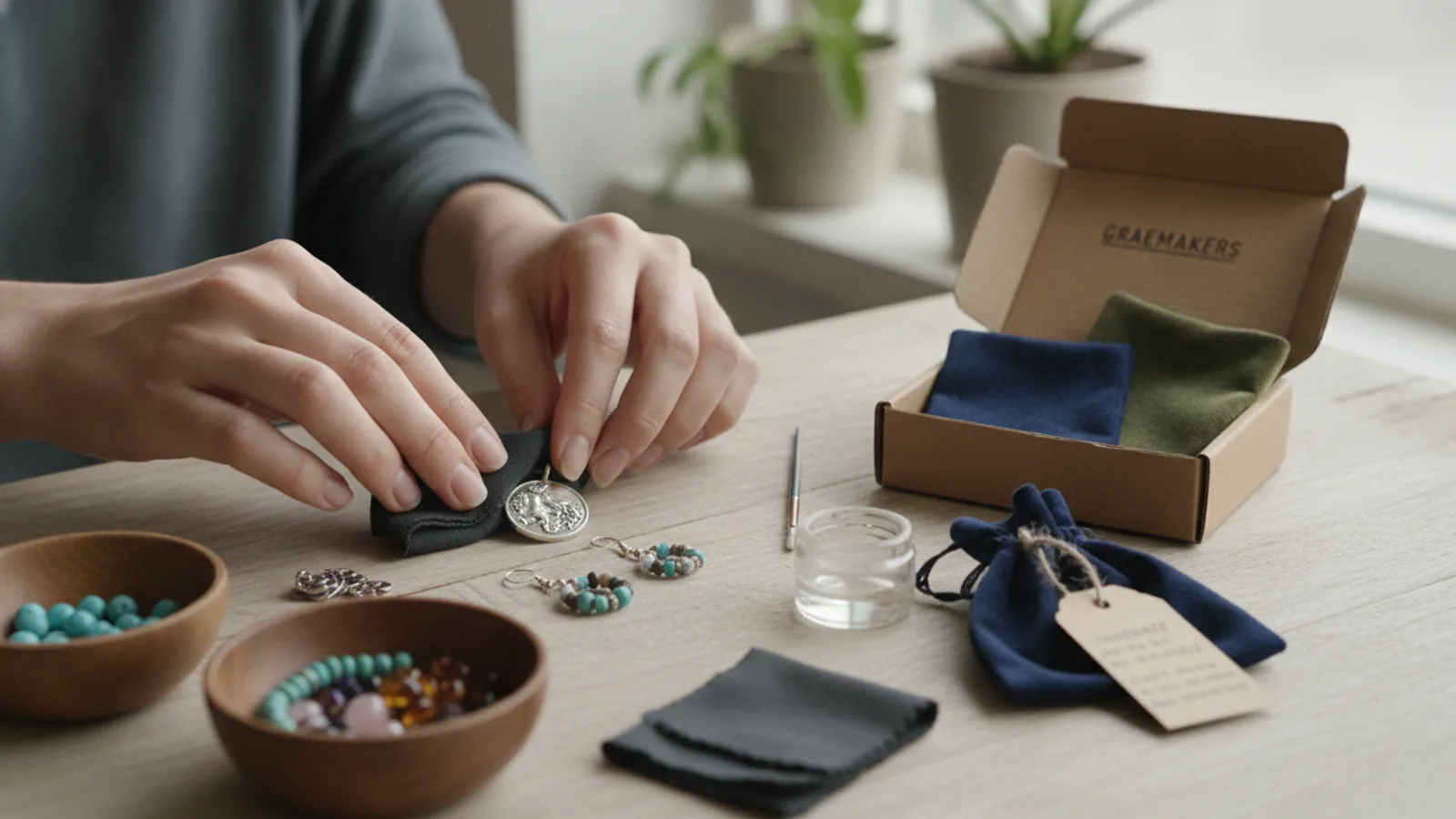
How To Care For Handmade Jewellery
Handmade jewellery is a unique expression of craft and artistry, but its delicate nature requires special attention. Unlike mass-produced items, handmade pieces often feature sensitive materials like natural gemstones, untreated metals, and organic components that can be easily damaged. This guide provides a complete, step-by-step process for safely cleaning, storing, and maintaining your treasured items. Learning how to care for handmade jewellery will ensure your unique pieces remain as beautiful as the day you got them, preserving their value and story for years to come.
Fast Answer
- Routine Cleaning: Use a soft, dry, lint-free cloth after each wear.
- Deep Cleaning: Use lukewarm water and a drop of mild, pH-neutral soap only when necessary.
- Storage: Keep pieces separately in soft pouches or airtight bags to prevent scratches and tarnish.
- Best Practice: Put jewellery on last (after lotions and perfumes) and take it off first.
Before You Start
Gathering the right tools is the first step in ensuring you don't accidentally damage your jewellery. Harsh chemicals and abrasive materials are the enemy of delicate handmade pieces. Stick to the simple, gentle supplies on this list.
What You Need
- Two soft, lint-free cloths (microfibre cloths are excellent).
- A small bowl of lukewarm water.
- A second small bowl with clean, lukewarm water for rinsing.
- Mild, pH-neutral, and fragrance-free liquid soap (e.g., castile soap or a gentle baby soap).
- A very soft-bristled brush, like a baby toothbrush or a clean, soft makeup brush.
- A dry towel for your workspace.
- Airtight storage, such as small plastic bags, soft fabric pouches, or a jewellery box with separate compartments.
Safety, Timing, or Context Checks
Before a single drop of water touches your jewellery, take a moment to inspect it. Handmade items are not uniform, and what works for one piece could ruin another. A quick check now can prevent irreversible damage.
- Identify All Materials: Determine the metals, gemstones, and any other components. Is it sterling silver, brass, or plated? Are the stones porous like turquoise or pearls, or hard like sapphires? Is there wood, leather, or thread involved?
- Check for Durability: Gently examine the piece for loose stones, weak clasps, or frayed threads. Cleaning can put stress on these weak points, so it’s better to spot them beforehand.
- Assess the Construction: Look for any glued elements. If stones or other parts are held in place with adhesive, you must avoid submerging the piece in water, as it can dissolve the glue.
Step-by-Step Instructions
Follow this gentle and effective process to clean your handmade jewellery without causing harm. Remember, the goal is to remove dirt and oils, not to strip away patinas or damage delicate surfaces.
Inspect Your Jewellery Closely
Before you start, lay your piece on a clean towel in a well-lit area. Give it a thorough inspection. Look again for any loose settings, weak links in a chain, or fraying on corded items. This is your final chance to spot a problem before it gets worse. Identifying the different materials will dictate which parts of the cleaning process you can apply. For example, if a silver pendant has a leather cord, you will need to clean each component separately.
Prepare Your Cleaning Station
Set up your workspace to be safe and efficient. Place your dry towel on a flat surface. Fill one small bowl with lukewarm water and add just one drop of mild soap, stirring gently. Fill the second bowl with clean, lukewarm water for rinsing. If you are working near a sink, place a towel or a stopper over the drain to prevent any small, dropped items from disappearing forever.
Start with a Gentle Dry Polish
For many pieces, a simple dry clean is all that's needed for routine maintenance. Take a clean, soft, lint-free cloth and gently wipe the entire piece. This action removes surface dust, fingerprints, and minor oils. For metals like silver and brass, this can be enough to restore some shine. This is the safest first step and should always be tried before introducing any moisture.
Perform a Targeted Wet Clean
If a dry polish isn't enough, it's time for a careful wet clean. Do not submerge the entire piece unless you are certain every component is waterproof (which is rare for handmade items). Instead, dip your soft-bristled brush or a corner of your cloth into the soapy water. Squeeze out any excess liquid. Gently scrub only the metal parts or hard, non-porous gemstones that need cleaning. Use small, circular motions and avoid any delicate areas, glued settings, or porous materials.
Rinse Quickly and Carefully
Rinsing is crucial to remove any soap film, which can dull the appearance of your jewellery. Dip a fresh corner of your cloth into the bowl of clean water. Again, squeeze out the excess. Gently wipe the areas you just cleaned to remove all soap residue. Avoid holding the piece under a running tap, as the water pressure can be too strong and may loosen stones or damage delicate chains.
Dry Everything Thoroughly
Moisture is a primary cause of tarnish and corrosion. As soon as you've finished rinsing, pat the jewellery dry with a clean, dry, soft cloth. Be gentle but thorough, ensuring you get into all the small nooks and crannies. Once you've patted it dry, lay the piece on a towel and let it air dry completely for at least an hour before storing it. Any trapped moisture can cause long-term damage.
Store Each Piece Individually
Proper storage is just as important as proper cleaning. Storing different pieces together is a sure-fire way to cause scratches, tangles, and tarnish. Place each clean, dry item in its own soft pouch, a small zip-top bag with an anti-tarnish strip, or a dedicated compartment in a lined jewellery box. This protects it from dust, moisture, and friction with other items.
Make "Last On, First Off" Your Rule
The easiest way to care for handmade jewellery is to minimise its exposure to harmful substances. Make it a habit to put your jewellery on after you've applied all your cosmetics, lotions, perfumes, and hairsprays. These products contain chemicals that can tarnish metals and damage gemstones. Similarly, make it the first thing you take off before showering, swimming, exercising, cleaning, or going to bed. This single habit will dramatically reduce the need for cleaning.
Quick Reference
Different materials require different care. Use this cheat sheet as a quick guide for common components found in handmade jewellery.
| Material | Use This | Why |
|---|---|---|
| Sterling Silver | Silver polishing cloth or mild soap and water. | Removes tarnish (oxidation) without scratching the surface. |
| Gold/Silver Plated Metal | A soft, dry cloth. Use soapy water very sparingly. | Aggressive polishing or chemicals can wear away the thin metal plating. |
| Pearls, Opals, Turquoise | A soft, dry or slightly damp cloth only. No soap. | These stones are porous and can be permanently damaged by chemicals and water. |
| Hard Gemstones (e.g., Sapphire, Amethyst) | Soft brush with mild soapy water. | Can handle a gentle wet clean to remove oils that cause dullness. |
| Wood, Leather, or Bone | A dry cloth. Occasionally condition with a tiny drop of appropriate oil. | Water can cause these organic materials to warp, swell, or rot. |
| Copper and Brass | A polishing cloth or a specific brass/copper cleaner (test first). | These metals tarnish quickly but can be polished back to a high shine. |
Common Problems When You Care For Handmade Jewellery
Even with the best intentions, you might run into some common issues. Here’s how to troubleshoot them.
Tarnish Appears on Silver Pieces
Tarnish is a natural chemical reaction when silver is exposed to sulphur in the air. It's not a sign of poor quality. For light tarnish, a silver polishing cloth is your best tool. For heavier tarnish, a gentle clean with mild soap and water can help. Avoid harsh silver dips, as they can be too aggressive and remove any intentional patinas the artist may have added.
Gemstones Look Dull or Cloudy
This is usually caused by a build-up of residue from lotions, soaps, and skin oils. For hard, non-porous stones, a gentle scrub with a soft brush and a drop of mild soap will restore their sparkle. For porous stones, a careful wipe with a slightly damp cloth is the safest option. Never use soap on pearls or opals.
The Plating is Wearing Off
Gold or silver plating is a very thin layer of precious metal over a base metal like brass or copper. Over time, friction and wear will cause this layer to rub off. This is normal wear and tear. You can slow the process by following the "last on, first off" rule and avoiding any abrasive polishing.
Cords or Threads Seem Stretched or Weak
This can happen from getting the piece wet repeatedly or from catching it on clothing. Always handle beaded and threaded jewellery with care. Never hang heavy pendants on delicate chains or cords. If you notice stretching, it's best to contact the original maker or a jeweller for restringing before it breaks.
Advanced Tips for Handmade Jewellery Care
Ready to take your jewellery care to the next level? These tips will help you preserve your collection like a professional.
- Use Anti-Tarnish Strips: For sterling silver pieces you don't wear often, place a small anti-tarnish paper strip inside the airtight bag or box. These strips absorb airborne sulphides that cause tarnish, keeping your silver bright for much longer.
- Tackle Verdigris on Copper/Brass: If you see a green or blue powdery substance on copper or brass, that's verdigris. You can often remove it with a paste made of lemon juice and salt. Apply with a cotton bud, gently rub, and rinse off completely. Always test on an inconspicuous area first.
- Refresh Wooden Elements: If wooden beads or pendants look dry or dull, you can recondition them. Apply a minuscule amount of jojoba oil or mineral oil to a soft cloth and gently rub it into the wood. Buff off any excess.
- Know When to Seek a Professional: For valuable or highly intricate pieces, especially those with prong-set stones, consider an annual check-up with a reputable jeweller. They can check for loose settings and perform a professional, safe cleaning.
- Embrace the Patina: Many artisans intentionally add a patina (a dark, oxidised finish) to their metalwork to create depth and an antique look. Be careful not to polish this away. If you're unsure whether a dark area is tarnish or intentional patina, it's best to leave it alone or contact the maker.
How To Care For Handmade Jewellery FAQ
Can I use an ultrasonic cleaner for my handmade jewellery?
It is strongly recommended not to use an ultrasonic cleaner. The intense vibrations can easily dislodge stones from their settings, crack soft or included gems, and damage porous materials like pearls, coral, and turquoise. They are far too aggressive for the delicate nature of most handmade pieces.
How often should I be cleaning my jewellery?
A quick wipe with a soft cloth after each wear is the best preventative habit. A more thorough wet clean should only be done when the piece is visibly dirty or has lost its lustre. Over-cleaning can cause unnecessary wear and tear.
What is the best way to travel with handmade jewellery?
Use a dedicated travel jewellery case or roll that has separate compartments and soft lining. This prevents pieces from scratching each other and keeps chains from tangling. If you don't have one, placing each item in its own small fabric pouch is a great alternative.
Are commercial jewellery cleaning dips and solutions safe to use?
Avoid them for handmade items. These chemical solutions are very harsh and can strip protective finishes, destroy patinas, and dissolve the nacre on pearls or damage other organic gems. The gentle soap-and-water method is much safer.
My jewellery is causing a skin reaction. What can I do?
This is often a reaction to nickel, a common metal used in alloys. First, stop wearing the piece to let your skin heal. For a temporary fix, you can apply a thin coat of clear nail polish to the part of the metal that touches your skin. For a long-term solution, consult a jeweller about options or identify the metal and avoid it in future purchases.
Final Checklist for Caring for Handmade Jewellery
Use this final checklist to ensure you've covered all the bases in preserving your unique pieces. A consistent routine is the key to longevity.
- You have identified all the materials in your piece before cleaning.
- You give your jewellery a quick wipe-down with a dry cloth after most wears.
- You only use a wet cleaning method with mild soap when absolutely necessary.
- You always dry your jewellery completely before putting it away.
- You store each piece individually in a soft pouch or airtight container.
- You keep your jewellery away from chemicals, perfumes, lotions, and water.
- You always follow the "Last On, First Off" rule.